Are Pine Shavings Bad for Gardens? Exploring the Impact on Soil Health and Plant Growth
Discover the effects of pine shavings on soil pH, their suitability as mulch, and the benefits versus drawbacks of using pine shavings in gardens. Find out if pine shavings are a viable option for your garden.
By Alfred van der Heide, Founder, AIGardenPlanner. Editorially reviewed for practical garden-planning accuracy.
Content Outline
- Introduction
- What are pine shavings?
- Effect of pine shavings on soil pH
- Can pine shavings be used as mulch?
- Benefits of using pine shavings in gardens
- Considerations before using pine shavings in gardens
Introduction
Welcome to our blog post where we delve into the question: Are pine shavings bad for gardens? This common query has sparked debates among gardeners and environmental enthusiasts alike. In this article, we will explore the various factors to consider when using pine shavings in your garden, and provide an objective analysis of their impact on plant growth and soil health.
The Benefits of Pine Shavings in Gardens
- Pine shavings are a common choice for mulching and bedding due to their affordability and availability.
- They can help retain moisture in the soil, which is essential for plant growth, especially in arid regions.
- Some gardeners find that pine shavings can deter certain pests, providing a natural form of pest control.
Potential Drawbacks of Pine Shavings
- High acidity: Pine shavings have a higher acidity level compared to other mulching materials, which can affect soil pH balance and potentially harm sensitive plants.
- Slow decomposition: Pine shavings decompose at a slower rate than other organic materials, which may lead to nutrient imbalances in the soil over time.
- Allelopathic effects: Some studies suggest that pine shavings may release allelochemicals that can inhibit the growth of certain plant species.
It is essential to weigh these benefits and drawbacks carefully when deciding whether to use pine shavings in your garden. To learn more about the impact of pine shavings on garden soil, consult reputable sources such as University of Minnesota Extension and Gardening Know How.
What are pine shavings?
Pine shavings are a popular choice for mulching and bedding in gardens and animal enclosures. They are small, thin pieces of wood that are a byproduct of the lumber industry. Pine shavings are known for their affordability and ability to improve soil structure and water retention in gardens.
Are pine shavings bad for gardens?
The question of whether pine shavings are bad for gardens is a common concern among gardeners. While pine shavings can offer benefits such as weed suppression and moisture retention, there are some factors to consider:
- Pine shavings have a high carbon content, which means they break down slowly and can deplete nitrogen in the soil. This can be mitigated by adding nitrogen-rich fertilizers or compost to balance the soil nutrients. (Source)
- Some plants may be sensitive to the acidity of pine shavings. It is important to monitor soil pH levels and adjust as needed to ensure optimal plant growth. (Source)
While pine shavings can be beneficial for gardens, it is essential to consider the tradeoffs and take necessary precautions to maintain soil health and plant growth. By understanding the potential impacts of using pine shavings and implementing appropriate measures, gardeners can make an informed decision on whether to incorporate them into their gardening practices.
Effect of Pine Shavings on Soil pH
Pine shavings are commonly used as a mulch in gardens and landscaping. One question that often arises is whether pine shavings have any effect on soil pH and if they are detrimental to garden health. In this article, we will explore the impact of pine shavings on soil pH and address the question, "Are pine shavings bad for gardens?"
- When pine shavings decompose, they release organic acids into the soil. These acids can lower the soil pH over time, making it more acidic. This may be beneficial for acid-loving plants but can be detrimental to plants that prefer neutral or alkaline soil conditions.
- According to a study by the Purdue University Extension, pine shavings can decrease soil pH by up to 1 unit in acidic soils.
- It is essential to consider the existing pH levels of your soil and the pH requirements of the plants in your garden before using pine shavings as a mulch. Regularly testing the pH of your soil is recommended to monitor any changes.
In conclusion, while pine shavings can have an effect on soil pH, whether they are bad for gardens depends on the specific needs of your plants. Understanding the tradeoffs involved and being aware of the potential impact on soil pH is crucial for maintaining a healthy garden.


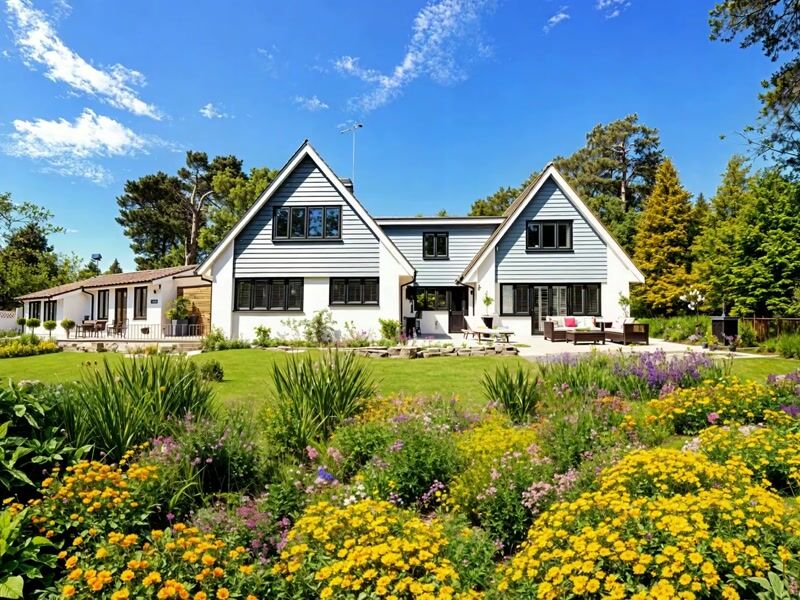
Your garden could look like this!
Upload a photo and get professional garden design ideas in seconds.
Design your garden in 3D — free, no sign-upCan pine shavings be used as mulch?
When it comes to gardening, mulch plays a crucial role in maintaining soil moisture, suppressing weeds, and providing nutrients to plants. One common question that arises is whether pine shavings can be used as mulch.
It is important to consider the pros and cons of using pine shavings as mulch in your garden:
- Pros:
- Pine shavings are readily available and affordable, making them a cost-effective option for mulching.
- They have a pleasant aroma that can add a natural fragrance to your garden.
- Some gardeners believe that pine shavings can help repel certain pests due to their scent.
- Cons:
- Gardening Know How advises that pine shavings may not be the best choice for mulch as they can deplete nitrogen from the soil as they break down, which could affect plant growth.
- Studies have shown that pine shavings can have a high carbon-to-nitrogen ratio, which may lead to nitrogen deficiency in the soil.
- There is a debate among gardeners about whether pine shavings are harmful to gardens, with some arguing that they can hinder plant growth.
Considering the keyword for this post, 'are pine shavings bad for gardens', it is crucial to weigh the potential tradeoffs involved in using pine shavings as mulch. While they may offer benefits such as affordability and pest repellent properties, the risk of nitrogen depletion and potential harm to plant growth should be carefully considered.
Benefits of using pine shavings in gardens
When it comes to gardening, the choice of mulch can have a significant impact on the health and vitality of your plants. Pine shavings, a popular choice among gardeners, offer a range of benefits that can help improve the overall condition of your garden. Let's explore some of the key advantages of using pine shavings in your garden:
- Moisture Retention: Pine shavings have excellent moisture retention properties, which can help keep the soil in your garden adequately hydrated. This can be particularly beneficial during hot and dry periods, ensuring that your plants have a constant water supply. According to a study by Gardening Know How, pine shavings can improve the water-holding capacity of soil by up to 25%.
- Weed Control: Using pine shavings as mulch can help suppress weed growth in your garden. The dense structure of pine shavings creates a barrier that prevents weed seeds from germinating and competing with your plants for nutrients and sunlight.
- Soil Aeration: Pine shavings can enhance soil aeration by loosening compacted soil and improving drainage. This can create a healthier root environment for your plants, allowing them to access nutrients more effectively.
While pine shavings offer numerous benefits for gardens, it is essential to consider the potential tradeoffs. Some gardeners may have concerns about whether pine shavings are bad for gardens due to their acidic nature. It is recommended to monitor the pH levels of your soil regularly when using pine shavings and adjust as necessary to ensure optimal growing conditions for your plants.
Considerations before using pine shavings in gardens
When deciding whether to use pine shavings in your garden, there are several important factors to consider to ensure the health of your plants and soil. Here are some key considerations:
- Acidic Nature: Pine shavings can make the soil more acidic over time. This can be beneficial for acid-loving plants such as blueberries and azaleas, but may not be suitable for all garden plants. Consider testing the pH of your soil before incorporating pine shavings.
- Decomposition Rate: Pine shavings decompose slowly, which can lead to nitrogen depletion in the soil. To counteract this, consider adding nitrogen-rich fertilizers or compost to maintain soil fertility.
- Moisture Retention: Pine shavings have good moisture retention properties, which can be beneficial in retaining soil moisture during dry periods. However, excessive moisture retention can also lead to root rot in some plants.
- Weed Control: Using pine shavings as mulch can help suppress weed growth in the garden, reducing the need for manual weeding. This can be a time-saving benefit for gardeners.
It's important to weigh these considerations carefully before using pine shavings in gardens. While they can offer certain benefits, such as weed control and moisture retention, their acidic nature and decomposition rate may not be suitable for all garden plants.
Remember to always consider the overall impact on your garden's ecosystem and the specific needs of your plants before making a decision. If you are still unsure whether pine shavings are suitable for your garden, consult with a local gardening expert or extension service for personalized advice.
For more information on the topic "Are pine shavings bad for gardens?", you can refer to this source.