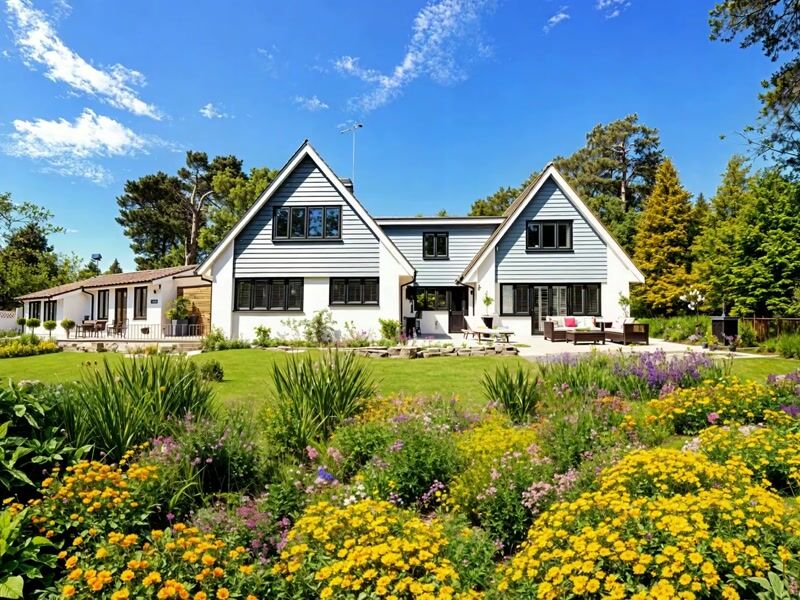
Spring Garden Planning Guide: What to Plant and Do Now
Plan spring garden tasks around frost, soil, and local conditions. Choose what to plant now, prepare beds, water wisely, and build a resilient layout.
By Alfred van der Heide, Founder, AIGardenPlanner. Editorially reviewed for practical garden-planning accuracy.
Updated for the 2026 growing season: A useful spring garden plan should respond to your weather, soil, and last frost—not assume that the same May checklist works everywhere. Use this guide as a decision path, then confirm crop timing with seed packets and your local Cooperative Extension before planting.
Spring can mean frozen soil in one region, the start of warm-season planting in another, and already-hot conditions somewhere else. The goal is not to “finish the garden” in a single month. It is to choose the next safe task for the conditions in front of you.
Start with four local checks
- Find your hardiness zone. The USDA Plant Hardiness Zone Map helps match perennial plants to average annual extreme minimum temperatures. It does not predict your last frost or guarantee that a plant suits your soil, heat, or rainfall.
- Check frost and soil conditions. Look up local frost guidance, read the seed packet, and wait if soil is saturated or unworkable. A calendar date alone is not a planting signal.
- Use regional guidance. Find your local Cooperative Extension for planting dates, soil testing, and pest advice. Garden calendars are regional by design; Oregon State University, for example, publishes separate monthly garden calendars for different parts of Oregon.
- Map the site. Record where sun falls, where water collects, and which beds dry first. Use the free garden planner to test bed shapes and paths before buying plants.
What to plant now
Choose the row below that matches your current conditions. These are planning groups, not universal planting dates.
If frost is still possible or the soil is cool
- Use locally recommended cool-season vegetables and hardy annuals only where the packet or Extension calendar supports them.
- Keep frost-tender crops protected or indoors until local transplant conditions are suitable.
- Plant dormant or cold-hardy perennials only when the soil is workable, not waterlogged or frozen.
If the last frost has passed and the soil has warmed
- Follow packet temperatures and spacing for warm-season seeds such as beans, cucumbers, and squash.
- Harden off indoor-grown seedlings gradually before transplanting tomatoes, peppers, or other frost-tender plants.
- Leave enough mature spacing for airflow and access instead of filling every gap on planting day.
If spring already feels hot or dry
- Prioritize cultivars recommended for local heat and choose planting windows from your regional calendar.
- Plant during a cooler part of the day, water the root zone after planting, and monitor new transplants closely while they establish.
- Use mulch to reduce evaporation, but keep it clear of stems and trunks.
For flowers, shrubs, and pollinator habitat
- Match each plant to mature size, light, drainage, and hardiness rather than choosing on bloom color alone.
- Prefer regionally appropriate plants that support local insects and fit the available space. Start with the native plants by region guide, then verify the choice with a local native-plant or Extension source.
- Browse the plant directory to compare light, water, and care needs before placing plants in the plan.
Prepare the bed without damaging the soil
Do not work soil that is sticky or saturated; compaction can last longer than the planting delay you are trying to avoid. Remove existing weeds, observe drainage, and use a soil test when you need to diagnose pH or nutrient questions. Add fertilizer because a plant and soil test call for it—not because spring arrived.


Your garden could look like this!
Upload a photo and get professional garden design ideas in seconds.
Design your garden in 3D — free, no sign-upA modest layer of finished compost can improve many established beds, but more is not always better. Keep the root flare of trees and shrubs visible, avoid piling amendments against stems, and preserve stable soil structure where possible.
Plant for the garden you will have in midsummer
Read the mature width on the label, then place plants so leaves will not immediately crowd paths, walls, or one another. Group plants with similar water needs. Put taller plants where they will not shade sun-loving neighbors, and keep access for watering, harvesting, and pruning.
For a new layout, repeat a small number of anchor plants rather than buying one of everything. Repetition makes a bed feel intentional and makes maintenance easier. If space is tight, see the small backyard design guide before committing to large shrubs or wide paths.
Water according to the soil, not a rigid schedule
Check moisture near the root zone before watering. New seeds and transplants need closer observation than established plants, while containers can dry much faster than in-ground beds. Watering needs also change with rain, wind, temperature, soil texture, and plant size.
When irrigation is needed, direct water toward the root zone and avoid unnecessary runoff. The U.S. Environmental Protection Agency's WaterSense watering tips recommend responding to actual weather and landscape needs rather than leaving irrigation on a fixed schedule.
Use a short weekly maintenance loop
- Inspect: Look at leaf undersides, new growth, stems, and soil moisture before deciding that a plant needs pesticide, fertilizer, or more water.
- Weed early: Remove weeds before they set seed, taking care not to disturb shallow crop roots.
- Prune selectively: Remove dead or damaged growth. Check the species before pruning healthy branches; many spring-flowering shrubs set next year's flowers on older wood.
- Use integrated pest management: Identify the pest and the amount of damage before acting. The University of California's Home, Garden, Turf, and Landscape IPM guidance provides research-based identification and lower-risk management options.
- Record what changed: Note planting dates, weather, and failures. Those observations are more useful next spring than a generic month-by-month list.
A practical spring garden checklist
- Confirm last-frost guidance and current soil conditions.
- Choose plants that fit local climate, light, drainage, and mature space.
- Prepare only the beds that are workable now.
- Plant one condition-appropriate group instead of rushing the whole plan.
- Water based on root-zone moisture and weather.
- Review the garden weekly for weeds, stress, and pests.
Plan the next step visually
Before moving a path, ordering a shrub, or filling an empty border, sketch the mature layout. A simple plan makes it easier to check spacing, repeat plants, and reserve room for seasonal changes. Build a layout in the free garden planner, or use the garden plan quiz if you want a guided starting point.
The best spring garden is not the one planted fastest. It is the one timed for local conditions, built around plants that fit the site, and simple enough to maintain through summer.