Essential Guide to Planning Your Garden for a Bountiful Harvest
Learn how to plan your garden effectively to ensure a successful harvest and create a beautiful outdoor space. Discover key factors like location, soil quality, and plant selection for a thriving garden.
By Alfred van der Heide, Founder, AIGardenPlanner. Editorially reviewed for practical garden-planning accuracy.
Content Outline
- Introduction
- A. Benefits of having a garden
- B. Planning your garden space
- C. Choosing the right plants
- D. Implementing a maintenance schedule
Introduction
Welcome to the world of gardening! Planning a garden is an exciting endeavor that requires careful consideration and attention to detail. Whether you are a seasoned gardener or a beginner, having a well-thought-out plan is essential to creating a successful and thriving garden. In this article, we will explore the key factors to consider when planning your garden to ensure a bountiful harvest and a beautiful outdoor space.
Key Factors to Consider:
- Location: The first step in planning your garden is choosing the right location. Consider the amount of sunlight, water access, and soil quality in the area. According to The Old Farmer's Almanac, most vegetables need at least 6 hours of sunlight daily to thrive.
- Soil Quality: Good soil is the foundation of a successful garden. Conduct a soil test to determine its pH level and nutrient content. You can send samples to a local agricultural extension office for analysis. University of Minnesota Extension provides detailed information on soil testing.
- Plant Selection: Choose plants that are well-suited to your region and climate. Consider factors such as frost dates, rainfall patterns, and temperature fluctuations. The National Gardening Association offers a helpful tool for finding the best planting dates for your area.
By carefully considering these key factors and incorporating them into your garden plan, you can set yourself up for a successful growing season. Stay tuned for the next installment of our series, where we will delve into the specifics of plant care and maintenance to help you achieve your gardening goals.
Introduction - A. Benefits of having a garden
Having a garden offers a plethora of benefits beyond just enhancing the aesthetics of your home. If you are looking to plan your garden, understanding these advantages can further motivate you to create your green space.
- Health Benefits: Research has shown that gardening can have a positive impact on both physical and mental health. Engaging in gardening activities such as digging, planting, and weeding can help reduce stress and anxiety levels. Additionally, spending time outdoors exposes you to sunlight, which is a natural source of vitamin D, crucial for maintaining overall well-being. Source
- Environmental Benefits: Having a garden contributes to environmental sustainability. Plants absorb carbon dioxide and release oxygen, helping to improve air quality. Furthermore, gardens provide habitats for various insects and birds, promoting biodiversity in urban areas. Source
- Financial Benefits: Growing your own fruits, vegetables, and herbs can lead to significant cost savings. By planning your garden effectively, you can reduce your grocery bills while enjoying fresh, organic produce. Moreover, having a well-maintained garden can increase the value of your property. Source
Introduction - B. Planning your garden space
When it comes to creating a successful garden, proper planning is crucial. Before you start planting, take the time to carefully plan out your garden space to maximize its potential. Here are some key factors to consider when planning your garden:
- Assess your space: Measure the area you have available for your garden. Consider factors such as sunlight exposure, soil quality, and drainage to determine the best location for planting. According to The Old Farmer's Almanac, raised beds can be a great option for small spaces with poor soil quality.
- Define your goals: Think about what you want to achieve with your garden. Are you looking to grow vegetables, flowers, or a combination of both? Understanding your goals will help you choose the right plants and layout for your space.
- Consider companion planting: Certain plants grow better when planted together due to their mutually beneficial relationships. For example, planting marigolds around your vegetable garden can help deter pests naturally. Learn more about companion planting from University of Minnesota Extension.
- Plan for sustainability: Incorporate sustainable practices into your garden plan, such as using organic fertilizers and practicing water conservation. According to the Environmental Protection Agency, composting kitchen scraps can reduce waste and provide nutrient-rich soil for your plants.
By taking the time to plan your garden space effectively, you can create a thriving and sustainable garden that meets your needs and goals. Remember, the key to success is to plan garden carefully and adapt as needed to achieve the best results.


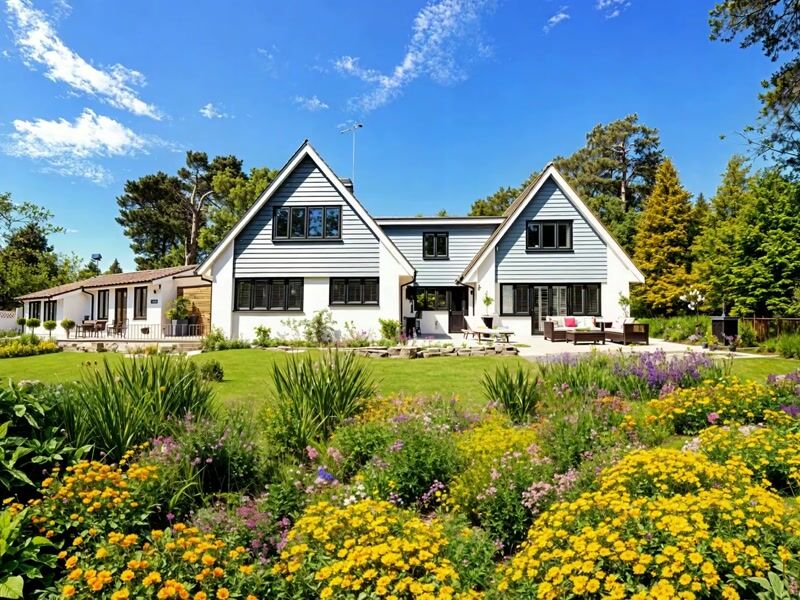
Your garden could look like this!
Upload a photo and get professional garden design ideas in seconds.
Design your garden in 3D — free, no sign-upIntroduction - C. Choosing the right plants
When planning a garden, one of the most crucial aspects is choosing the right plants that will thrive in your specific environment. Selecting plants that are well-suited to your soil type, climate, and sunlight conditions is essential for a successful and vibrant garden. Here are some key factors to consider:
- Climate: Different plants thrive in different climates. It's important to choose plants that are suitable for the climate in your region. For example, if you live in a hot and arid climate, succulents and cacti are excellent choices as they require less water.
- Soil type: The type of soil in your garden can greatly impact the growth and health of your plants. Conduct a soil test to determine the pH level and nutrient content of your soil. Based on the results, choose plants that are well-adapted to your soil type.
- Sunlight: Most plants require a certain amount of sunlight to thrive. Consider the sunlight exposure in your garden when selecting plants. Shade-loving plants like hostas are ideal for areas with limited sunlight, while sun-loving plants such as roses thrive in full sun.
Remember that when choosing plants for your garden, it's important to strike a balance between aesthetic appeal and practicality. While exotic plants may be visually stunning, they may require more maintenance and resources to thrive. On the other hand, native plants are often well-adapted to the local environment and require less water and care.
According to a study by Gardening Know How, gardens with a diverse selection of plants not only enhance biodiversity but also provide a more resilient ecosystem that is less susceptible to pests and diseases.
By carefully selecting plants that are well-suited to your garden's conditions, you can create a beautiful and sustainable garden that will thrive for years to come, enhancing the overall appeal of your outdoor space.
Introduction - D. Implementing a maintenance schedule
When it comes to effectively managing your garden, implementing a maintenance schedule is crucial for ensuring the health and longevity of your plants. A well-planned maintenance schedule can help you stay organized, prioritize tasks, and ultimately create a thriving garden environment. In this article, we will delve into the key factors to consider when developing and implementing a maintenance schedule for your garden.
One of the first steps in creating a successful maintenance schedule is to plan garden tasks based on the specific needs of your plants. Different plants require different care, so it is important to research the maintenance requirements of each plant in your garden. For example, some plants may need to be watered daily, while others only require weekly watering.
- Frequency of Tasks: Consider how often each task needs to be performed. For example, pruning may need to be done monthly, while fertilizing could be a seasonal task.
- Seasonal Considerations: Take into account the changing seasons and how they impact your garden maintenance. Certain tasks may need to be adjusted based on the time of year.
- Tools and Resources: Ensure you have the necessary tools and resources to complete each task effectively. Investing in quality gardening tools can save you time and effort in the long run.
According to a study by University of Minnesota Extension, gardens that follow a regular maintenance schedule are more likely to produce higher yields and healthier plants. By dedicating time to garden maintenance, you are investing in the long-term health and beauty of your garden.
Overall, implementing a maintenance schedule for your garden is a proactive approach to garden care that can lead to a more enjoyable and successful gardening experience. Stay tuned for our upcoming articles where we will explore in more detail the specific tasks and timelines for creating an effective maintenance schedule for your garden.