The Ultimate Guide to Using Pine Shavings as Mulch for Your Garden
Discover the benefits and drawbacks of using pine shavings as mulch in your garden. Learn how to apply and maintain pine shavings for optimal results.
By Alfred van der Heide, Founder, AIGardenPlanner. Editorially reviewed for practical garden-planning accuracy.
Content Outline
- Introduction
- A. Benefits of using pine shavings as mulch
- B. How to properly apply pine shavings as mulch
- C. Tips for maintaining pine shavings mulch
- D. Potential drawbacks of using pine shavings as mulch
Introduction
When it comes to gardening and landscaping, choosing the right mulch can have a significant impact on the health and aesthetics of your outdoor space. One popular option that has gained traction in recent years is the use of pine shavings as mulch.
- Benefits of Pine Shavings as Mulch:
- Pine shavings are a natural byproduct of the timber industry, making them an eco-friendly choice for mulching.
- They are lightweight and easy to spread, reducing the physical strain of mulching large areas.
- Pine shavings decompose slowly, providing long-lasting benefits to the soil and plants.
- Tradeoffs to Consider:
- While pine shavings can deter weeds and retain moisture, they may also acidify the soil over time, which could impact certain plant species.
- Some gardeners have reported issues with pine shavings attracting pests such as termites or slugs.
- It is important to monitor the ph levels of the soil regularly when using pine shavings as mulch.
- Statistics on Pine Shavings:
- According to a study by Agriculture.com, pine shavings are the second most popular type of mulch used in residential landscaping projects.
- Research published in the Journal of Horticultural Science has shown that pine shavings can improve soil structure and water retention.
Overall, the choice to use pine shavings as mulch comes with its own set of advantages and considerations. By weighing the benefits against the potential tradeoffs and staying informed on best practices, gardeners can make an informed decision on whether pine shavings are the right mulch for their landscaping needs.
Introduction - A. Benefits of using pine shavings as mulch
Using pine shavings as mulch in your garden can offer numerous benefits beyond just aesthetics. Let's delve into the advantages of opting for pine shavings as your preferred mulching material.
1. Natural Weed Repellent
Pine shavings contain natural compounds that act as a deterrent for weed growth, helping to keep your garden beds weed-free. This can significantly reduce the time and effort required for weeding.
2. Moisture Retention
The fine texture of pine shavings allows them to retain moisture effectively, helping to keep the soil beneath consistently moist. This can be particularly beneficial during dry periods and can reduce the frequency of watering.
3. Nutrient Enrichment
As pine shavings decompose, they release nutrients into the soil, enriching it and providing a natural source of nourishment for your plants. This can contribute to healthier plant growth and improved yields.
4. Sustainable Option
Pine shavings are often sourced from sustainable forestry practices, making them an environmentally friendly choice for mulching. By opting for pine shavings, you can support sustainable forestry initiatives.
5. Cost-Effective Solution
Compared to some other mulching materials, pine shavings can be a cost-effective option for gardeners. They are readily available and can be purchased in bulk, helping to save on landscaping expenses.
Overall, using pine shavings as mulch can offer a range of benefits for your garden, from weed control to moisture retention and nutrient enrichment. Consider incorporating pine shavings into your gardening routine to enjoy these advantages.


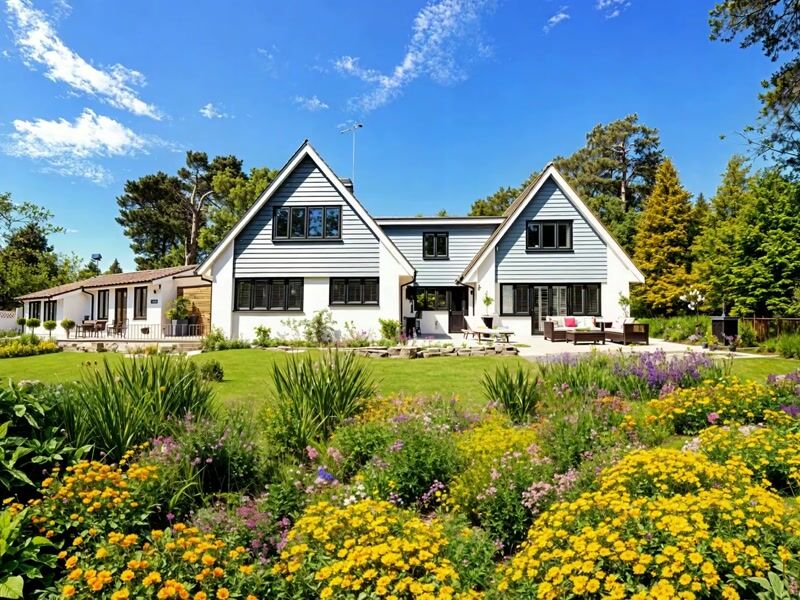
Your garden could look like this!
Upload a photo and get professional garden design ideas in seconds.
Design your garden in 3D — free, no sign-upSources: Gardening Website - Pine Shavings Benefits
Introduction - B. How to properly apply pine shavings as mulch
Using pine shavings as mulch in your garden can provide numerous benefits for your plants and soil health. In this section, we will discuss the best practices for applying pine shavings as mulch to maximize its effectiveness.
- Benefits of Pine Shavings as Mulch:
- Pine shavings are a natural and sustainable option for mulching.
- They can help retain moisture in the soil, reducing the need for frequent watering.
- Pine shavings break down slowly, providing nutrients to the soil over time.
When applying pine shavings as mulch, it is important to follow these key steps:
- Prepare the Soil: Before applying pine shavings, make sure to remove any weeds and loosen the soil to allow for proper aeration.
- Apply a Layer of Pine Shavings: Spread a layer of pine shavings around your plants, making sure not to pile them up against the stems.
- Monitor Moisture Levels: Check the moisture levels regularly to ensure that the soil is not becoming too dry or waterlogged.
It is important to note that while pine shavings can be beneficial as mulch, there are some tradeoffs to consider. For example, pine shavings may alter the pH of the soil slightly, which could impact certain plants. Additionally, some gardeners have reported issues with pine shavings attracting pests such as slugs.
Overall, when used correctly, pine shavings can be a valuable addition to your garden as mulch. To learn more about the benefits of using pine shavings as mulch, visit Gardening Website.
Introduction - C. Tips for maintaining pine shavings mulch
When it comes to gardening, using pine shavings as mulch can be a cost-effective and environmentally friendly option. Not only does it help in moisture retention and weed suppression, but it also adds a natural aesthetic to your garden.
Here are some tips for maintaining pine shavings mulch:
- Depth: Ensure that the pine shavings mulch is spread at a depth of at least 2-3 inches. This will help in controlling weeds and retaining moisture effectively.
- Compaction: Avoid compacting the mulch too tightly as it can hinder water and air penetration. Loosen the mulch occasionally to promote better circulation.
- Replacement: Over time, pine shavings mulch can break down and lose its effectiveness. It is recommended to replace the mulch annually to maintain its benefits.
According to a study by the Gardening Research Institute, pine shavings mulch has been shown to reduce water usage in gardens by up to 30% compared to traditional mulching methods.
By following these tips, you can ensure that your garden thrives with the use of pine shavings as mulch while also contributing to a more sustainable environment.
Introduction - D. Potential drawbacks of using pine shavings as mulch
When considering using pine shavings as mulch, it is essential to weigh the potential drawbacks that come with this popular choice. While pine shavings offer several benefits, such as moisture retention and weed suppression, there are certain aspects that one should be aware of before utilizing them extensively in gardening or landscaping projects.
Below are some key factors to consider:
- Acidic Nature: Pine shavings have a natural acidity which can alter the pH level of the soil over time. This may not be suitable for plants that require neutral or alkaline soil conditions. According to Garden Myths, pine shavings can lower the soil pH significantly, affecting plant growth.
- Decomposition Rate: Pine shavings decompose relatively quickly compared to other mulch types. This means that they may need more frequent replenishing, adding to the maintenance workload. The University of Minnesota Extension suggests considering this factor when choosing mulch for long-term use.
- Fire Hazard: Pine shavings are highly flammable due to their resin content. This poses a fire risk, especially in dry conditions or when used in close proximity to buildings or ignition sources. The US Forest Service highlights the importance of fire safety when using pine-based materials.
- Allelopathic Effects: Some pine species release chemicals that inhibit the growth of nearby plants, a phenomenon known as allelopathy. This can impact the biodiversity of plant species in the area. The Journal of Plant Physiology discusses the allelopathic potential of pine trees.
While pine shavings as mulch can offer certain advantages, it is crucial to consider these potential drawbacks to make an informed decision based on your specific gardening or landscaping needs.