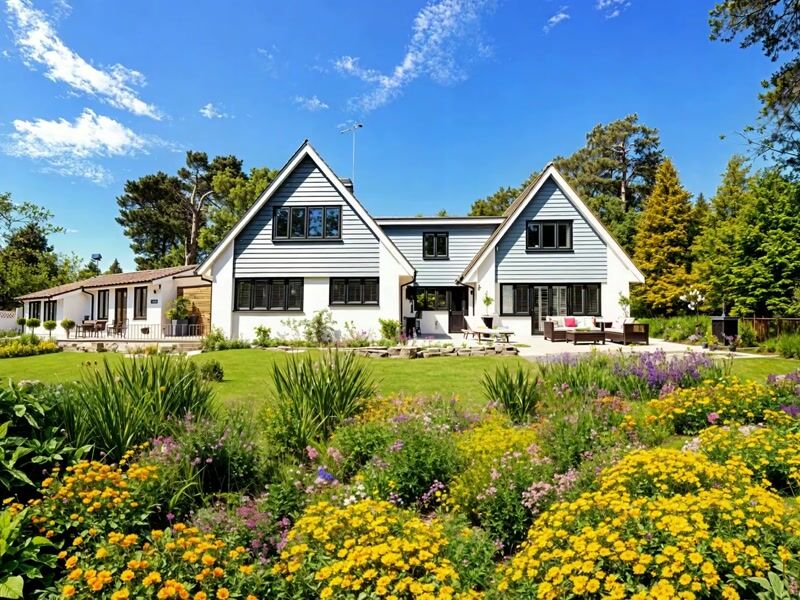
Ultimate Guide to Wildflower Gardens: Benefits, Planning, and Maintenance Tips
Learn about the benefits of wildflower gardens, how to plan and design one, and essential maintenance tips to keep your garden thriving. Discover the beauty and biodiversity wildflowers can bring to your outdoor space!
By Alfred van der Heide, Founder, AIGardenPlanner. Editorially reviewed for practical garden-planning accuracy.
Content Outline
- Introduction
- A. Benefits of wildflower gardens
- B. Planning your wildflower garden
- C. Choosing the right wildflowers
- D. Design ideas for wildflower gardens
- E. Maintenance tips for wildflower gardens
Introduction:
Welcome to our comprehensive guide on wildflower garden ideas! If you're looking to add a vibrant burst of color and biodiversity to your outdoor space, creating a wildflower garden may be the perfect solution. Not only do wildflowers attract pollinators like bees and butterflies, but they also require less maintenance compared to traditional gardens.
Benefits of Wildflower Gardens:
- 1. Increased biodiversity: Wildflowers support a wide range of pollinators, beneficial insects, and wildlife.
- 2. Low maintenance: Once established, wildflower gardens typically require less water and fertilizer compared to other garden types.
- 3. Pollinator attraction: Wildflowers play a crucial role in supporting declining pollinator populations.
Factors to Consider:
- 1. Pollinator-friendly plants are essential for a successful wildflower garden.
- 2. Choosing the right location with adequate sunlight and drainage is crucial for optimal growth.
- 3. Regular maintenance such as weeding and deadheading can help your wildflower garden thrive.
By incorporating these wildflower garden ideas into your outdoor space, you can create a beautiful and sustainable ecosystem that benefits both your garden and the environment.
Wildflower gardens offer a myriad of benefits, making them a delightful addition to any outdoor space. Here are some reasons why incorporating wildflower gardens into your landscaping can be a rewarding choice:
- Biodiversity: Wildflower gardens attract a diverse range of pollinators such as bees, butterflies, and birds, contributing to the overall biodiversity of your garden. According to USDA Forest Service, planting wildflowers can help support declining pollinator populations.
- Natural Beauty: Wildflowers come in a stunning array of colors and shapes, adding a vibrant touch to your outdoor space. These gardens create a picturesque and natural landscape that can be enjoyed throughout the seasons.
- Low Maintenance: Wildflowers are often low maintenance plants, requiring less water and care compared to traditional garden plants. Once established, they can thrive with minimal intervention, making them a sustainable landscaping choice.
- Environmental Benefits: Wildflower gardens play a crucial role in promoting environmental sustainability. They help in soil conservation, reduce erosion, and improve water quality by filtering pollutants. According to National Wildlife Federation, native wildflowers are particularly effective in supporting local ecosystems.
- Health Benefits: Spending time in a wildflower garden can have positive effects on mental health and well-being. Studies have shown that exposure to natural environments, such as wildflower meadows, can reduce stress levels and improve mood.
Considering these factors, wildflower gardens are not only visually appealing but also contribute to the overall health of the ecosystem. Incorporating wildflower garden ideas into your landscaping can be a rewarding and environmentally conscious choice.
Planning your wildflower garden
When creating a captivating wildflower garden, it's essential to consider several key factors to ensure a successful and vibrant display of nature's beauty. Here are some essential steps to guide you in planning your wildflower garden with creative wildflower garden ideas:
- Site Selection: Choose a location that receives ample sunlight, as most wildflowers thrive in sunny conditions. Ensure the area has well-draining soil to prevent waterlogging, which can impede the growth of wildflowers. Source
- Wildflower Selection: Select a diverse mix of wildflower species to create a visually appealing and ecologically beneficial garden. Consider native wildflowers that are well-suited to your region, as they require less maintenance and support local wildlife. Source
- Planting Strategy: Follow planting instructions specific to each wildflower species to ensure optimal growth. Some wildflowers may benefit from stratification, a process that mimics natural cold conditions to enhance germination rates. Source
- Maintenance: Regularly monitor the garden for weeds that can outcompete wildflowers for resources. Consider mulching to suppress weeds and retain soil moisture, reducing the need for frequent watering. Source
By incorporating these wildflower garden ideas into your planning process, you can create a stunning and sustainable wildflower garden that not only enhances your outdoor space but also contributes to biodiversity and ecosystem health.


Your garden could look like this!
Upload a photo and get professional garden design ideas in seconds.
Design your garden in 3D — free, no sign-upChoosing the right wildflowers
When creating a vibrant and diverse wildflower garden, selecting the right wildflowers is crucial to ensure a successful and visually appealing space. Here are some key factors to consider:
- Native vs. Non-native Species: It is essential to choose native wildflowers for your garden as they are better adapted to the local environment and support local wildlife. According to Lady Bird Johnson Wildflower Center, native plants require less maintenance and watering compared to non-native species.
- Color and Bloom Time: Incorporating a variety of wildflowers with different bloom times can ensure a continuous display of colors throughout the growing season. Consider planting early bloomers like wild columbine and late bloomers such as Philadelphia fleabane.
- Soil and Sunlight Requirements: Understanding the soil quality and sunlight exposure in your garden is essential for selecting wildflowers that will thrive. Some wildflowers, like beardtongue, prefer well-drained soil and full sun, while others, such as Indian paintbrush, can thrive in partial shade.
According to a study by the National Park Service, wildflower gardens not only add beauty to outdoor spaces but also provide essential habitats and food sources for pollinators such as bees and butterflies. By choosing the right wildflowers, you can create a biodiverse ecosystem that benefits both the environment and your garden.
Remember, the key to a successful wildflower garden lies in careful planning and selecting the right mix of native species that will flourish in your specific growing conditions.
When it comes to creating a beautiful and eco-friendly outdoor space, incorporating wildflower gardens can be a fantastic choice. Here are some design ideas to consider for your own wildflower garden:
- Native Wildflowers: Opt for native wildflowers in your garden as they are well-adapted to the local climate and soil conditions. Native plants also require less water and maintenance, making them a sustainable choice. According to National Wildlife Federation, native plants support local ecosystems and wildlife.
- Seasonal Variety: Ensure your wildflower garden blooms throughout the year by selecting a variety of flowers that bloom in different seasons. This not only provides visual interest but also supports pollinators year-round. The US Forest Service highlights the importance of diverse plant species for ecosystem health.
- Color Palette: Create an aesthetically pleasing garden by choosing wildflowers with a diverse color palette. Consider how different colors complement each other and attract beneficial insects. Studies show that colorful wildflower gardens can increase biodiversity in urban areas (Source).
- Butterfly and Bee-Friendly Plants: Include plants such as milkweed, coneflower, and bee balm that attract butterflies and bees. These pollinators play a crucial role in the ecosystem and can enhance the beauty of your garden. The US Forest Service offers resources on creating pollinator-friendly gardens.
Incorporating these design ideas into your wildflower garden can not only enhance the visual appeal of your outdoor space but also contribute to local biodiversity. Experiment with different combinations of wildflowers to create a unique and sustainable garden that attracts wildlife and provides a vibrant display throughout the year.
If you're looking to maintain a vibrant and healthy wildflower garden, here are some essential tips to keep in mind:
- Regular Weeding: Tackling weeds early on is crucial to ensure your wildflowers have ample space and nutrients to thrive. Consider hand weeding or using organic weed control solutions.
- Proper Watering: Wildflowers generally require minimal watering once established, but during dry spells, ensure they receive adequate moisture. Consider installing a drip irrigation system for efficient watering.
- Pruning and Deadheading: Regular deadheading of spent blooms and light pruning can encourage continuous flowering and prevent self-seeding in unwanted areas.
- Soil Health: Wildflowers thrive in well-draining soil with good fertility. Consider adding organic matter like compost to improve soil structure and provide essential nutrients.
- Native Plants: Incorporating native wildflowers in your garden not only enhances biodiversity but also promotes a healthy ecosystem. Explore local wildflower species for your region.
By implementing these maintenance tips for your wildflower garden, you can create a sustainable and visually appealing space filled with diverse flora. For more wildflower garden ideas and inspiration, check out our comprehensive guide on wildflower garden designs.