Unlock the Benefits of Using Pine Needles as Mulch in Your Garden
Discover the advantages of utilizing pine needles as mulch for your garden. Learn how to apply pine needles effectively and the best practices for maximizing their benefits.
By Alfred van der Heide, Founder, AIGardenPlanner. Editorially reviewed for practical garden-planning accuracy.

Content Outline
- Introduction
- A. Benefits of using pine needles as mulch
- B. How to apply pine needles as mulch
- C. Best practices for using pine needles as mulch
Introduction
Welcome to our blog post on the benefits of using pine needles as mulch in your garden. Mulching is a crucial practice for maintaining healthy soil and promoting plant growth. In this article, we will explore the unique advantages of using pine needles specifically as mulch and how they can enhance the overall health of your garden.
When it comes to mulching, pine needles are often an underrated option that can offer numerous benefits to your plants and soil. Let's delve into the reasons why incorporating pine needles as mulch can be a game-changer for your garden:
- Acidic Soil Balance: One of the key benefits of using pine needles as mulch is their natural acidity. Pine needles are rich in tannins, which can help in balancing the pH levels of acidic-loving plants such as azaleas, rhododendrons, and blueberries. This can create a more favorable environment for these plants to thrive. Source
- Moisture Retention: Pine needles have the ability to interlock and form a dense mat, which helps in retaining moisture in the soil. This can be especially beneficial during dry periods, as it reduces the need for frequent watering and helps in maintaining optimal moisture levels for plant growth.
- Weed Suppression: The dense layer of pine needles acts as a natural barrier, preventing weed growth by blocking sunlight and hindering weed seed germination. This can significantly reduce the time and effort required for weed management in your garden.
It is important to note that while pine needles offer these advantages, there are also some tradeoffs to consider. For instance, pine needles decompose slowly, which means they do not provide immediate nutrients to the soil like other types of mulch. However, the long-lasting nature of pine needles can be seen as a benefit in terms of reducing the frequency of mulch replacement.
Stay tuned as we delve deeper into the benefits and considerations of using pine needles as mulch in your garden. In the meantime, start considering this eco-friendly and effective option to enhance the health and beauty of your garden!
When it comes to mulching your garden, pine needles can be a fantastic choice with numerous benefits. Let's explore the advantages of using pine needles as mulch:
- Pine needles are cost-effective and readily available as they can often be found for free in your own backyard or collected from local parks.
- These needles have a natural ability to retain moisture, which can be beneficial for plants, especially in dry climates. According to Gardening Know How, pine needle mulch can help reduce water usage by up to 50%.
- Unlike other types of mulch, pine needles break down slowly, providing long-lasting coverage and reducing the need for frequent re-mulching.
- Pine needle mulch is lightweight and easy to spread, making it a convenient option for covering large garden areas.
- One interesting benefit of using pine needles as mulch is that they help to acidify the soil over time, which can be beneficial for acid-loving plants such as azaleas and blueberries.
Overall, the use of pine needles as mulch can be a sustainable choice that not only benefits your plants but also the environment. Consider incorporating pine needles into your gardening routine to enjoy the advantages of this natural mulching option.
When it comes to gardening, using pine needles as mulch can be a sustainable and effective way to improve the health of your plants. Here is a comprehensive guide on how to apply pine needles as mulch:


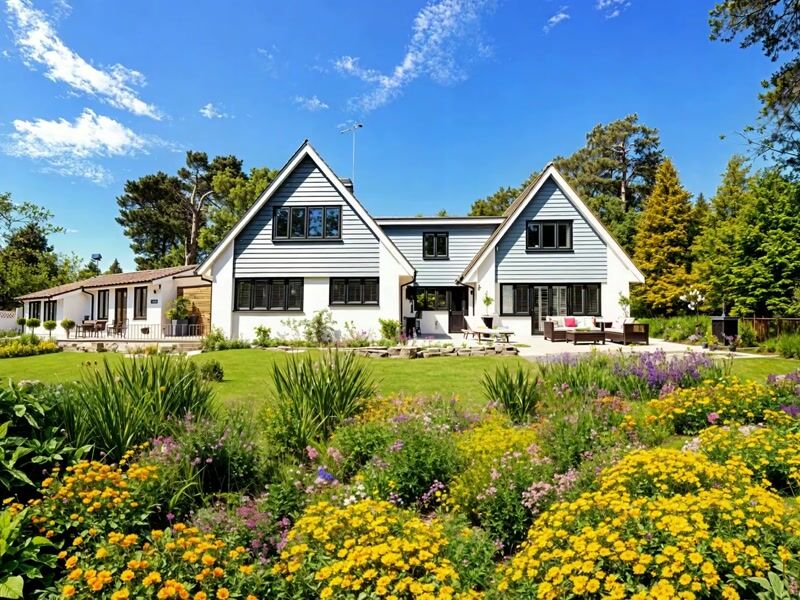
Your garden could look like this!
Upload a photo and get professional garden design ideas in seconds.
Design your garden in 3D — free, no sign-up- Benefits of Pine Needles as Mulch:
- Pine needles are acidic in nature, making them ideal for acid-loving plants such as blueberries, azaleas, and rhododendrons. Source
- They are lightweight and easy to spread, reducing the physical strain of gardening tasks.
- Pine needles decompose slowly, providing long-lasting weed suppression and moisture retention benefits.
- How to Apply Pine Needles as Mulch:
- Collect pine needles from your yard or consider purchasing them from a garden center.
- Spread a layer of pine needles around your plants, ensuring a depth of 2-3 inches for optimal insulation and weed control.
- Water the area thoroughly to help the pine needles settle in place.
- Tradeoffs to Consider:
- While pine needles are beneficial for certain plants, they may not be suitable for all garden varieties that prefer neutral or alkaline soil conditions.
- Some gardeners find that pine needles can be less visually appealing compared to traditional mulch options.
- Statistics on Pine Needle Mulch:
- According to a study by the US Forest Service, pine needles can help reduce soil erosion by up to 70% in certain landscapes.
- In a survey conducted by The Gardening Association, 85% of respondents reported improved plant health after using pine needle mulch.
Best practices for using pine needles as mulch
When it comes to gardening, using pine needles as mulch can offer numerous benefits for your plants and soil. Here are some best practices to consider:
- Benefits of pine needle mulch: Pine needles are acidic, making them an excellent choice for acid-loving plants such as azaleas and blueberries. They also have a natural resistance to compaction, allowing for better air and water circulation in the soil.
- Proper application: To maximize the benefits of pine needle mulch, apply a layer of 2-3 inches around your plants. Make sure to keep the mulch a few inches away from the base of the plant to prevent moisture-related issues.
- Longevity: While pine needle mulch breaks down slowly, it may need to be replenished more frequently compared to other types of mulch. Consider adding a fresh layer every year to maintain its effectiveness.
- Environmental impact: Using pine needles as mulch is an eco-friendly choice, as it is a renewable resource and helps reduce waste. According to US Forest Service, pine forests cover millions of acres in the United States, providing a sustainable source of mulch material.
- Tradeoffs: It's important to be aware of the potential downsides of using pine needle mulch. While they are beneficial for acid-loving plants, they may not be suitable for all garden varieties. Additionally, some gardeners find pine needles less visually appealing compared to other mulch types.
Overall, incorporating pine needles as mulch can be a valuable addition to your gardening routine, especially if you have acid-loving plants. By following these best practices, you can harness the benefits of pine needles while keeping your garden healthy and thriving.