Unlocking the Power of Catnip: Benefits for Your Garden
Discover the advantages of incorporating catnip in your garden, from enhancing soil health to acting as a natural pest repellent. Learn how to grow catnip and its role in promoting biodiversity.
By Alfred van der Heide, Founder, AIGardenPlanner. Editorially reviewed for practical garden-planning accuracy.
Content Outline
- Introduction
- A. What is Catnip?
- B. Benefits of Catnip in the Garden
- How to Grow Catnip in Your Garden
- Ways to Use Catnip in the Garden
- Companion Planting with Catnip
- Conclusion
Introduction
Welcome to our blog post on the benefits of catnip in the garden. Catnip, scientifically known as Nepeta cataria, is a versatile plant that offers numerous advantages for both your garden and the environment. In this article, we will delve into the various ways in which catnip can be a valuable addition to your gardening endeavors.
Enhancing Soil Health
One of the primary benefits of catnip in the garden is its ability to improve soil quality. Catnip is known for its deep root system, which helps to aerate the soil and enhance drainage. Additionally, catnip leaves are rich in nutrients such as potassium, which can promote overall soil fertility.
- Source: Gardening Know How
Natural Pest Repellent
Another advantage of incorporating catnip in your garden is its natural pest-repellent properties. Catnip contains a compound called nepetalactone, which is highly effective at repelling insects such as mosquitoes, flies, and cockroaches.
Promoting Biodiversity
By attracting pollinators like bees and butterflies, catnip plays a crucial role in promoting biodiversity in your garden. These pollinators help to facilitate the reproduction of plants and contribute to a healthy ecosystem.
- Source: Science Daily
As we explore the multifaceted benefits of catnip in the garden, it becomes evident that this humble herb is indeed a valuable ally for any gardener looking to cultivate a thriving and sustainable outdoor space.
Introduction - A. What is Catnip?
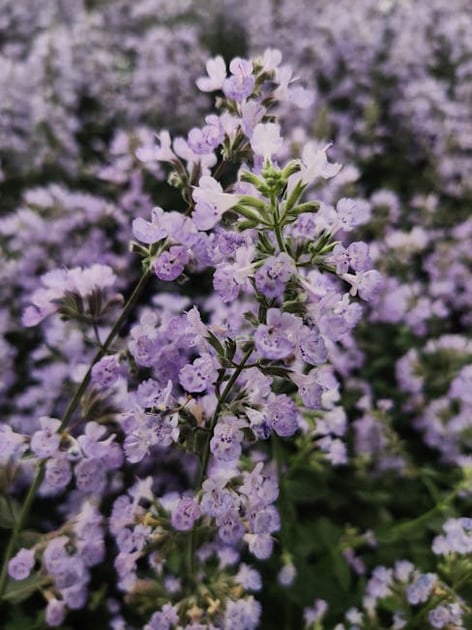
Catnip, also known as Nepeta cataria, is a herbaceous perennial plant that belongs to the mint family. It is native to Europe and Asia but is now widely cultivated around the world. Catnip is famous for its unique effects on cats, eliciting behaviors ranging from sniffing, rubbing, and rolling to more intense reactions like hyperactivity and vocalization.
However, beyond its feline allure, catnip offers several benefits for gardeners, making it a valuable addition to any garden. Let's explore what catnip is good for in the garden:
- Natural Pest Repellent: Catnip contains a compound called nepetalactone, which is a natural repellent for insects such as mosquitoes, flies, and cockroaches. Source
- Attracts Beneficial Insects: While repelling pests, catnip also attracts beneficial insects like bees and predatory wasps, which can help control garden pests effectively.
- Improves Soil Quality: Catnip has deep roots that can help break up compacted soil, improving drainage and aeration. Additionally, when chopped and dropped as mulch, catnip can add organic matter to the soil, enhancing its fertility.
- Medicinal Properties: Catnip has been used in traditional medicine for its calming and sedative effects on humans. It can also be brewed into a tea that aids in digestion and relieves stress.
When considering what catnip is good for in the garden, it's important to note that while it has numerous benefits, it can spread rapidly and become invasive if not managed properly. Therefore, gardeners should weigh the advantages of planting catnip against the need for containment and regular maintenance.
Introduction - B. Benefits of Catnip in the Garden
When it comes to gardening, catnip is a versatile and beneficial plant that can offer a range of advantages for both your garden and the environment. Let's explore some of the key benefits of incorporating catnip into your garden:
- Attracts Beneficial Insects: Catnip is known for its ability to attract beneficial insects such as pollinators like bees and butterflies. These insects play a crucial role in pollinating plants, promoting biodiversity, and enhancing the overall health of your garden ecosystem. (Source)
- Natural Pest Repellent: Catnip contains nepetalactone, a compound that acts as a natural repellent against pests such as mosquitoes, flies, and cockroaches. By planting catnip in your garden, you can help deter unwanted insects without the need for harmful pesticides. (Source)
- Medicinal Properties: Catnip is not only beneficial for your garden but also for your health. It has been used in traditional medicine for its calming and soothing properties. Catnip tea, made from the leaves of the plant, can help alleviate stress and promote relaxation. (Source)
By understanding the benefits of catnip in the garden, you can create a more sustainable and vibrant outdoor space that supports both plant life and beneficial insects. Next, we will delve deeper into the cultivation and care of catnip, exploring how to maximize its advantages for your garden.


Your garden could look like this!
Upload a photo and get professional garden design ideas in seconds.
Design your garden in 3D — free, no sign-upHow to Grow Catnip in Your Garden
Catnip, also known as Nepeta cataria, is a versatile and beneficial plant to have in your garden. Not only is it loved by cats, but it also has several benefits for your garden ecosystem.
- Catnip is a natural insect repellent: Planting catnip in your garden can help repel pests such as aphids, ants, and beetles, reducing the need for chemical pesticides. source
- Attracts beneficial pollinators: Catnip is a magnet for pollinators like bees and butterflies, which can help improve the pollination of other plants in your garden. source
- Medicinal properties: Catnip has been used for its medicinal properties for centuries. It is known for its calming effects on humans and has been used in herbal remedies for various ailments. source
When growing catnip in your garden, it is important to consider its spreading nature. Catnip can be invasive and take over an area if not contained. Planting it in pots or using barriers can help control its growth.
In conclusion, catnip is a valuable addition to any garden. Its insect-repellent properties, ability to attract pollinators, and medicinal benefits make it a versatile plant to have. So, if you are wondering what is catnip good for in the garden, the answer is - a lot!
Ways to Use Catnip in the Garden
When it comes to gardening, catnip can be a versatile and beneficial addition to your outdoor space. If you're wondering what is catnip good for in the garden, you've come to the right place. Here are some creative ways to incorporate catnip into your gardening routine:
- Mosquito Repellent: Catnip contains nepetalactone, a compound that is known to be a natural mosquito repellent. By planting catnip in your garden, you can help keep pesky insects at bay. Source.
- Companion Plant: Catnip can act as a companion plant, attracting beneficial insects like ladybugs and lacewings that help control garden pests. Planting catnip near vegetables can help protect them from unwanted pests. Source.
- Herbal Tea: Catnip leaves can be dried and used to make a soothing herbal tea. Not only is it a relaxing beverage, but it can also have mild sedative effects, making it a perfect drink to unwind after a day of gardening. Source.
- Cat Enrichment: If you have feline friends, planting catnip in your garden can provide them with a stimulating and safe environment. Cats are known to be attracted to catnip, and watching them interact with the plant can be a joyous experience. Source.
By exploring these different ways to use catnip in the garden, you can not only enhance the beauty of your outdoor space but also reap the benefits that this versatile herb has to offer. Experiment with incorporating catnip into your gardening routine and discover the wonders it can bring to your garden.
Companion planting with catnip can be a valuable strategy for any gardener looking to improve the health and yield of their plants. Catnip, known for its attractive foliage and enticing scent for cats, offers several benefits when strategically planted alongside other crops in the garden.
🚀 Ready to Reinvent Your Garden?
Join thousands of homeowners who have transformed their gardens using our AI design tool. Upload one photo to explore endless possibilities.
Get your AI garden designs →Benefits of Companion Planting with Catnip
- Natural Pest Repellent: Catnip is known to repel insects such as mosquitoes, ants, and beetles. By planting catnip near vulnerable plants, you can help deter harmful pests without the need for chemical insecticides.
- Attract Beneficial Insects: Catnip also attracts beneficial insects like pollinators, including bees and butterflies, which can help improve the overall health of your garden. This can lead to better pollination and increased crop yields.
- Improves Soil Quality: Catnip is a member of the mint family and has a deep root system that can help improve soil structure and nutrient uptake for neighboring plants. This can contribute to healthier and more robust growth.
When considering what is catnip good for in the garden, it is essential to acknowledge its role as a companion plant that offers both pest management and soil improvement benefits.
Conclusion
In conclusion, catnip is a versatile and beneficial plant to have in your garden. Its uses go beyond just attracting and stimulating cats. When considering "what is catnip good for in the garden," it's important to take into account its various benefits:
- Pest repellent: Catnip is known for its ability to repel insects such as mosquitoes, ants, and flies. Planting catnip around your garden can help protect your other plants from these pests. (Source)
- Medicinal properties: Catnip has been used for centuries in traditional medicine for its calming and soothing effects. It can be brewed into a tea to help with insomnia, anxiety, and digestive issues. (Source)
- Attracting beneficial insects: Catnip is a magnet for beneficial insects like bees and butterflies, which are essential for pollination in the garden. By planting catnip, you can help support the local ecosystem. (Source)
- Companion planting: Catnip can act as a natural deterrent for certain pests, making it a great companion plant for vegetables like tomatoes and peppers. Its strong aroma can confuse pests and protect your crops. (Source)
Overall, incorporating catnip into your garden can enhance its biodiversity, protect your plants, and even benefit your own well-being. So, next time you ask yourself "what is catnip good for in the garden," remember the multitude of advantages this humble herb can offer.