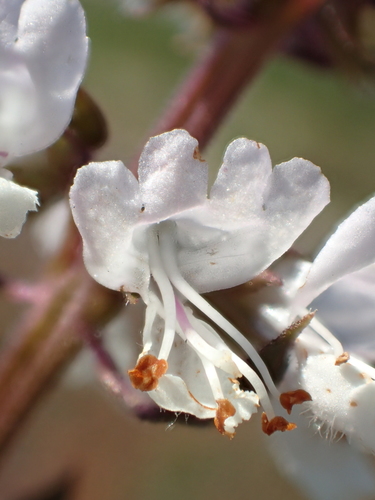
Sweet Basil
Ocimum basilicum
Tomato and basil share an actual horticultural symbiosis — basil's strong volatile oils mask tomato scent from pests like hornworms, the rare case where companion planting folklore is scientifically validated.
See Sweet Basil up close
Additional source-backed views make the plant easier to recognize beyond a single hero image.
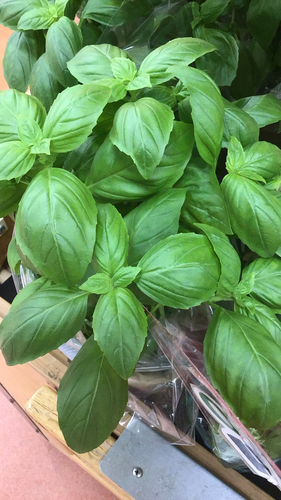
Healthy Sweet Basil leaves on a cultivated Genovese basil plant
Photo: dinomariobob via iNaturalist observation 301264389 · CC0 1.0
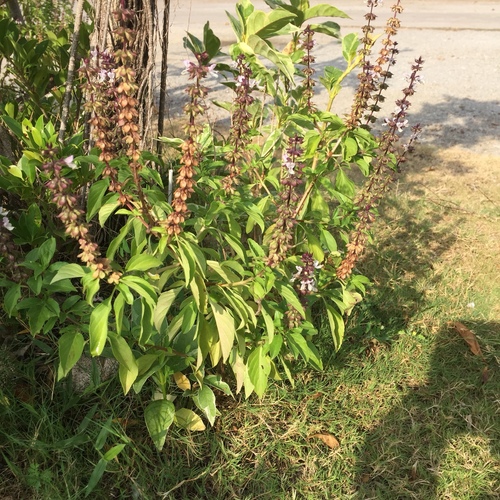
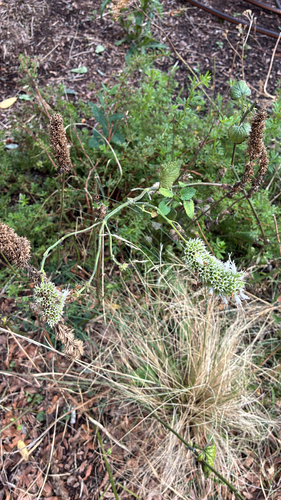
Mature flowering Sweet Basil plant with tall spent flower spikes
Photo: Andre Hosper via iNaturalist observation 10379547 · CC BY 4.0
How to care for sweet basil
Pinch flower buds the moment they appear — once basil bolts, leaves turn bitter and growth stops. Harvest top leaves regularly to encourage bushy branching, and never refrigerate (cold turns leaves black).
Garden uses & design ideas
Best garden use
Keep it close to paths, patios, or kitchen doors so harvesting feels easy and the fragrance is part of the garden experience.
Pair it with
Tomato, Pepper, Oregano make easy companion choices because they share similar light, water, or visual texture needs.
Layout tip
Match it with full sun exposure, place it in a moderate-water bed where soil can stay evenly damp but not soggy, and check USDA zones annual (perennial 10-11) before planting. Use the garden planner to test spacing around its mature size: 12-24 in tall, 8-12 in wide.
Gardener note — Double-check local invasive, edible, and toxicity guidance with your county extension office before planting around pets, children, or natural areas.
Companion plants
Sweet Basil grows well alongside these — similar light, water, and texture needs.
Common pests & problems
Where it grows best
Native to Central Africa and Southeast Asia; thrives in USDA hardiness zones annual (perennial 10-11).
Frequently asked about sweet basil
What USDA zones does Sweet Basil grow in?+
Sweet Basil is hardy in USDA zones annual (perennial 10-11). Outside these zones, it can usually be grown indoors or as a seasonal annual.
How much sun does Sweet Basil need?+
Sweet Basil prefers full sun. Place it where it gets that light most of the day for best growth and flowering.
How often should I water Sweet Basil?+
Sweet Basil has moderate water needs. Keep soil consistently moist but not soggy. Pinch flower buds the moment they appear — once basil bolts, leaves turn bitter and growth stops. Harvest top leaves regularly to encourage bushy branching, and never refrigerate (cold turns leaves black).
How big does Sweet Basil get?+
Sweet Basil reaches a mature size of 12-24 in tall, 8-12 in wide. Growth rate is fast, so plan spacing accordingly when planting.
What plants grow well with Sweet Basil?+
Sweet Basil pairs well with Tomato, Pepper, Oregano, Parsley, Marigold. These companions share similar care requirements and don't compete aggressively for resources.
What pests affect Sweet Basil?+
Common Sweet Basil problems include aphids; Japanese beetles; downy mildew. Catching early signs in routine inspection prevents most damage.
When does Sweet Basil bloom?+
Sweet Basil blooms in summer in white. Deadheading spent flowers (where applicable) often encourages a longer bloom window.
More plants to design with
Pair well with sweet basil or suit the same spot.
 Herb
Herb Annual
 Vegetable
 Herb
Herb Herb
Herb Herb
Herb