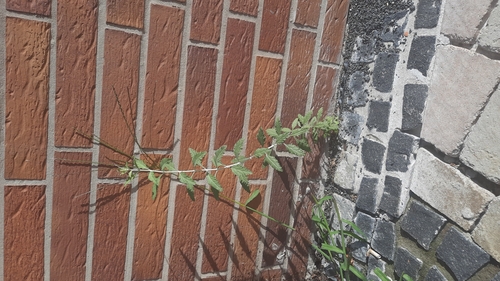
Russian Sage
Salvia yangii (formerly Perovskia atriplicifolia)
Perennial Plant of the Year in 1995 — the silvery-white stems remain attractive all winter, providing structure when most perennials have died back.
How to care for russian sage
Cut to 6 inches from the ground in early spring — Russian sage blooms on new wood and gets woody and bare-bottomed without hard pruning. Never overwater; soggy soil is fatal in winter.
Garden uses & design ideas
Best garden use
Place it in repeatable drifts through borders so the color and texture carry the eye instead of appearing as a one-off plant.
Pair it with
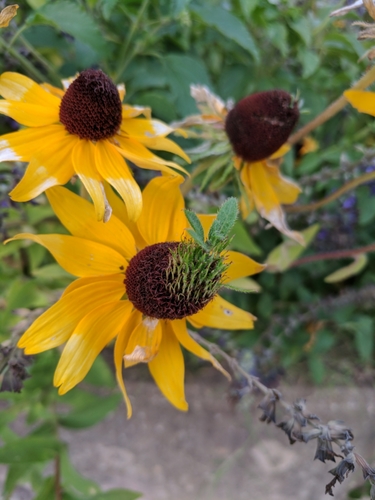
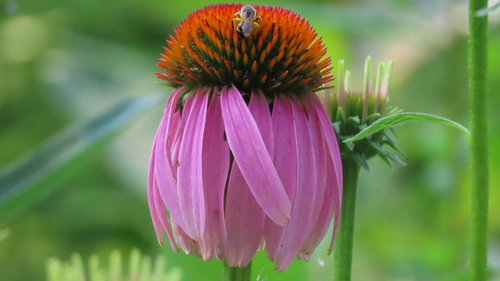
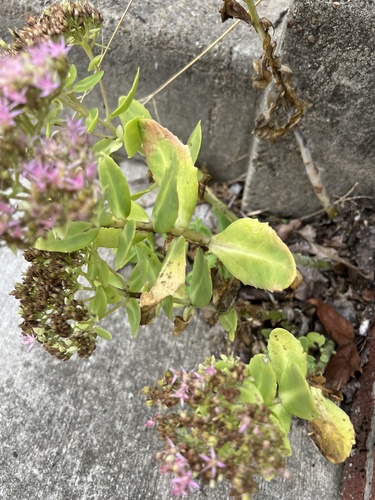
Echinacea, Black-eyed susan, Sedum make easy companion choices because they share similar light, water, or visual texture needs.
Layout tip
Match it with full sun exposure, group it with other low-water plants so one irrigation zone can stay lean, and check USDA zones 4-9 before planting. Use the garden planner to test spacing around its mature size: 3-5 ft tall and wide.
Gardener note — Double-check local invasive, edible, and toxicity guidance with your county extension office before planting around pets, children, or natural areas.
Companion plants
Russian Sage grows well alongside these — similar light, water, and texture needs.
Common pests & problems
Where it grows best
Native to Central Asia (Afghanistan, Iran, Pakistan); thrives in USDA hardiness zones 4-9.
Frequently asked about russian sage
What USDA zones does Russian Sage grow in?+
Russian Sage is hardy in USDA zones 4-9. Outside these zones, it can usually be grown indoors or as a seasonal annual.
How much sun does Russian Sage need?+
Russian Sage prefers full sun. Place it where it gets that light most of the day for best growth and flowering.
How often should I water Russian Sage?+
Russian Sage has low water needs. Allow the soil to dry between waterings. Cut to 6 inches from the ground in early spring — Russian sage blooms on new wood and gets woody and bare-bottomed without hard pruning. Never overwater; soggy soil is fatal in winter.
How big does Russian Sage get?+
Russian Sage reaches a mature size of 3-5 ft tall and wide. Growth rate is fast, so plan spacing accordingly when planting.
What plants grow well with Russian Sage?+
Russian Sage pairs well with Echinacea, Black-eyed susan, Sedum, Ornamental grasses, Yarrow. These companions share similar care requirements and don't compete aggressively for resources.
What pests affect Russian Sage?+
Common Russian Sage problems include essentially pest-free; occasional spittlebugs. Catching early signs in routine inspection prevents most damage.
When does Russian Sage bloom?+
Russian Sage blooms in mid summer to fall in lavender-blue. Deadheading spent flowers (where applicable) often encourages a longer bloom window.
More plants to design with
Pair well with russian sage or suit the same spot.
 Perennial
 Perennial
 Perennial
 Perennial
 Perennial
 Perennial